West Hampstead Removals in West Hampstead

West Hampstead removals should feel organised, careful and straightforward from the first plan to the last box. Our service is set up for households and smaller moving projects that need practical support, sensible packing and a clean handover on the day. Whether you are moving a full home, a few large items or a mix of furniture and personal effects, the aim is to keep the work structured and the handling consistent.
We support moves with home moving services, furniture handling and the sort of loading and transport work that helps a move stay calm under pressure. For customers who need something more flexible, our man and van option can suit lighter loads, while larger household plans may call for a fuller removal approach. The right choice depends on volume, access, timing and how much help you want with packing.
To request a quotation, it helps to set out what is being moved, the start and end points, and any bulky or awkward items that may need special handling. If you are comparing options, a short note about stairs, lift access, parking or dismantling needs can make the estimate more accurate. Clear details at the start reduce avoidable changes later, and they also help us recommend the most suitable way to carry out the move.
Domestic moving services
House moves vary a great deal in size and complexity, which is why we treat each one as a practical moving task rather than a generic job. Some customers only need transport for a few rooms of furniture, while others are relocating an entire property with clothing, kitchenware, electronics and storage items. Our house removals service is designed to support that spread of needs with careful loading, safe transit and a sensible plan for delivery.
For people who want a broader household service, we also work with house movers and related domestic moving support. That can include heavier items, awkward furniture and coordinated handling where several pieces need to arrive together and in order. If the move involves a smaller or less formal arrangement, our moving van pages describe a transport-led approach that can suit short-distance or lighter household moves without unnecessary complication.
How domestic moves are typically organised
A domestic move is usually easiest when the packing, carrying and loading all follow the same sequence. Boxes should be closed securely, breakables separated and labelled, and furniture prepared so it can be moved safely through hallways and doorways. If something is too large to carry in one piece, disassembly may help, but only where it is sensible and properly managed. We focus on the physical work that keeps items stable during transit and makes unloading more efficient at the other end.
Packing support and careful handling

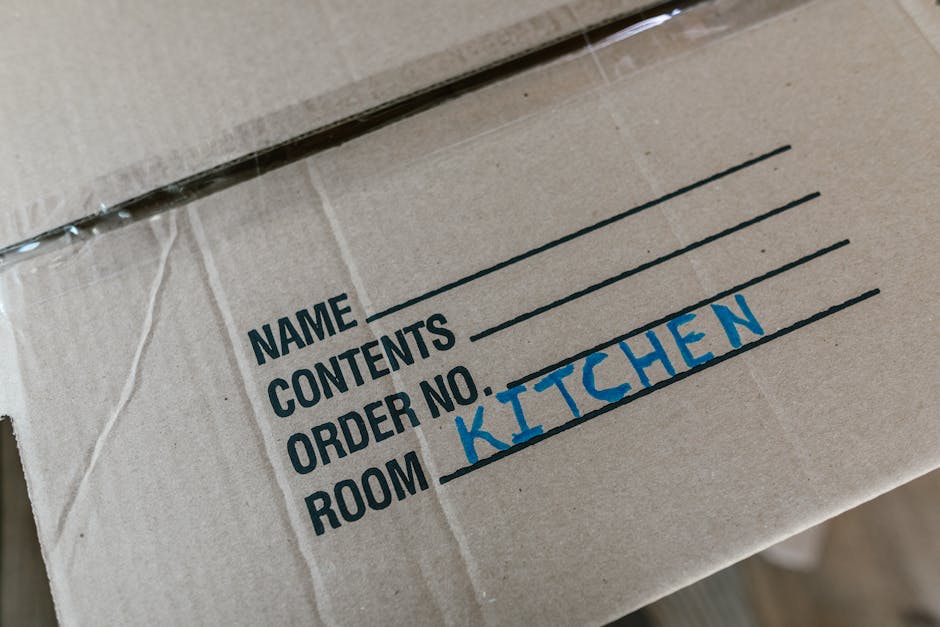
Packing has a major effect on how smoothly removals proceed. Well-packed cartons protect fragile contents, make stacking easier and reduce the chance of time being lost on the day. Our packing and unpacking services are useful where customers would rather hand over the wrapping, boxing and room-by-room organisation to a team used to working methodically. The benefit is not only protection, but also clearer loading and easier sorting once items arrive.
Good packing is about more than paper and tape. Delicate items need suitable wrapping, heavier items need sensible box sizes, and mixed loads should be arranged so that nothing shifts under movement. Clothing, books, crockery and ornaments each call for different treatment. Careful preparation can also save time during unloading, because labelled boxes and grouped belongings are quicker to place in the correct room. If packing is only partly complete, we can still support the move, but the plan should reflect that from the outset.
For customers wanting a quotation, a brief inventory of the main items is often enough to begin with. There is no need to prepare a perfect list before making contact; what matters is that the important things are mentioned early, especially anything fragile, heavy or unusually shaped. If you are planning a move soon, now is a good moment to compare the practical options and decide how much packing help you want.
Furniture, loading and transport
Many removals are shaped around the furniture rather than the boxes. Sofas, wardrobes, beds, desks and shelving can present different handling needs, especially where turning space is tight or access is awkward. Our furniture pick-up service covers the collection and movement of individual pieces as well as items that form part of a wider house move. The same careful approach helps when several rooms must be cleared without damage to walls, flooring or fittings.
Transport matters because a vehicle should suit the load, the route and the amount of handling required. Some moves are fine with a smaller, more agile setup, while others need a larger vehicle and a fuller loading plan. Where customers are comparing removal van choices or thinking about a removal truck hire arrangement, it is usually best to match the vehicle to the real volume rather than choosing by size alone. That makes the move more efficient and avoids unnecessary shuttle trips.
We also handle moving arrangements under the broader removal services heading, which helps customers looking for a clear, practical route through a household or furniture move. The emphasis stays on safe lifting, secure loading and sensible planning. If access is awkward, please mention door widths, staircases or parking restrictions when you ask for a price so the work can be assessed properly.
Commercial moving support

Business moves need a different rhythm from domestic ones because desks, storage, files and equipment often have to be kept organised throughout the process. Our commercial moves support is suited to companies that need office furniture, working stock or business items shifted in a controlled way. The objective is to keep the move practical, minimise confusion and make sure key items are handled in a logical order.
Where the relocation involves a workplace rather than a household, our office relocation services and office removals pages cover the sort of moving work that helps staff, furniture and equipment travel together. Office moves often benefit from clear labelling, floor-by-floor planning and an agreed sequence for loading and unloading. That makes it easier to place desks, chairs, storage units and boxes in the right areas when the van is opened.
What business customers usually need to decide
Commercial moves are often smoother when the main decisions are made early: what must go first, what can wait, and which items need special care. Files, electronics and small equipment may require more structured packing than standard furniture. If access times are restricted or the premises are shared, that needs to be mentioned when planning the job. We can then build a move around the practical requirements instead of treating it like an ordinary domestic collection.
Vehicle options and flexible moving jobs
Not every move calls for the same scale of transport. Some customers need a single vehicle and a small team, while others need a larger load space and more handling support. Our man with a van and man with van removal pages are useful for customers who want a straightforward transport-led service with room for furniture, boxes and a few bulky items. The key is choosing an arrangement that matches the move rather than trying to overcomplicate it.
For broader flexibility, the man with van, man-with-van and man and van removals destinations all sit within the same practical family of services. They are helpful where the load is moderate, access is manageable and the customer wants hands-on support without arranging a full-scale removal operation. Some jobs are ideal for this style of service; others are better handled through a more structured household or commercial move.
When deciding between these options, think about the number of rooms, the size of furniture and whether you will need help carrying items upstairs or downstairs. A small job can still involve awkward pieces, and that is often what determines the right service. If you are ready to proceed, a brief written outline will help us suggest the most suitable approach and prepare a sensible quotation.
Pricing factors and quotation details

Removal prices are usually shaped by a small number of practical factors rather than by a single fixed rule. The main influences are the volume of items, the level of access, the distance travelled and the amount of handling needed on the day. Our pricing and quotes page is the right place to start if you want to understand how a quotation is put together. It helps customers see why two apparently similar moves can be priced differently.
Useful quotation details include the property type, the number of large items, whether packing help is needed and whether the move includes one location or several stops. If there are tight stairwells, limited parking spaces or items that must be taken apart and rebuilt, those points should be mentioned early. That is especially important when the job includes fragile belongings or unusual furniture, because the time and handling involved can change the overall plan.
To keep the process simple, gather the essentials, send a clear description and ask for a quotation based on the real work involved. If you are unsure whether something counts as a special item, include it anyway. It is better to be specific than to leave out details that later affect the move. A concise enquiry saves time for everyone and makes the quote easier to trust.
Insurance, safety and responsible moving
Safe removals depend on good lifting practice, steady loading and care around both the property and the goods being moved. Our insurance and safety information explains the approach customers should expect when items are being handled, transported or placed into position. The main concern is always to reduce unnecessary risk by planning the work properly and using the right method for the item in question.
For many moves, the most important safety decisions are simple ones: do not overload boxes, do not force furniture through openings that are too narrow, and do not stack unstable items where they can shift in transit. Proper wrapping, balanced loading and careful route planning all help. These steps are especially relevant when the move contains glass, mirrors, artwork, electronics or other items that should not be left loose. Responsible handling is part of the service, not an afterthought.
If you are arranging a move with several heavy items, let us know what needs lifting before the day arrives. That way, the plan can reflect the real effort involved and any equipment or extra care that may be needed. Safety and preparation go hand in hand, and they are often what makes the rest of the day feel calm and controlled.
About West Hampstead
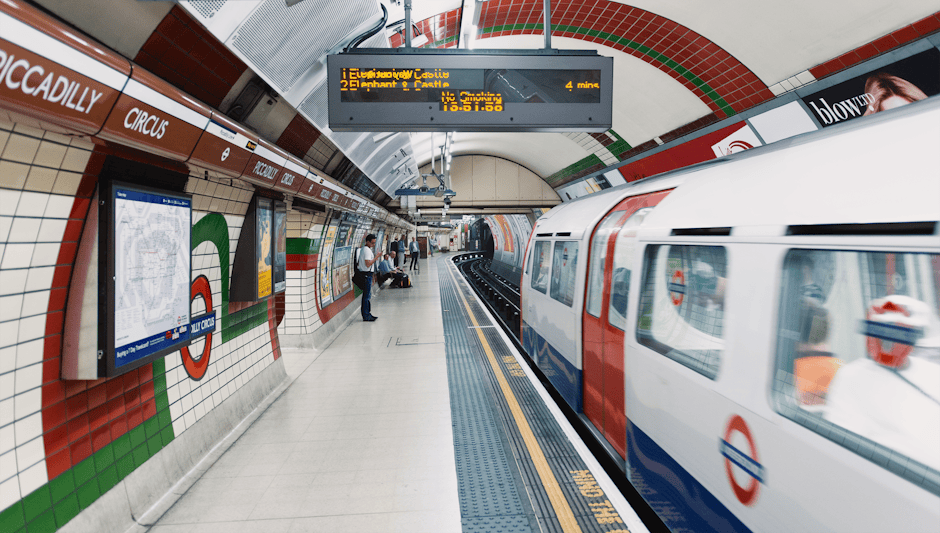
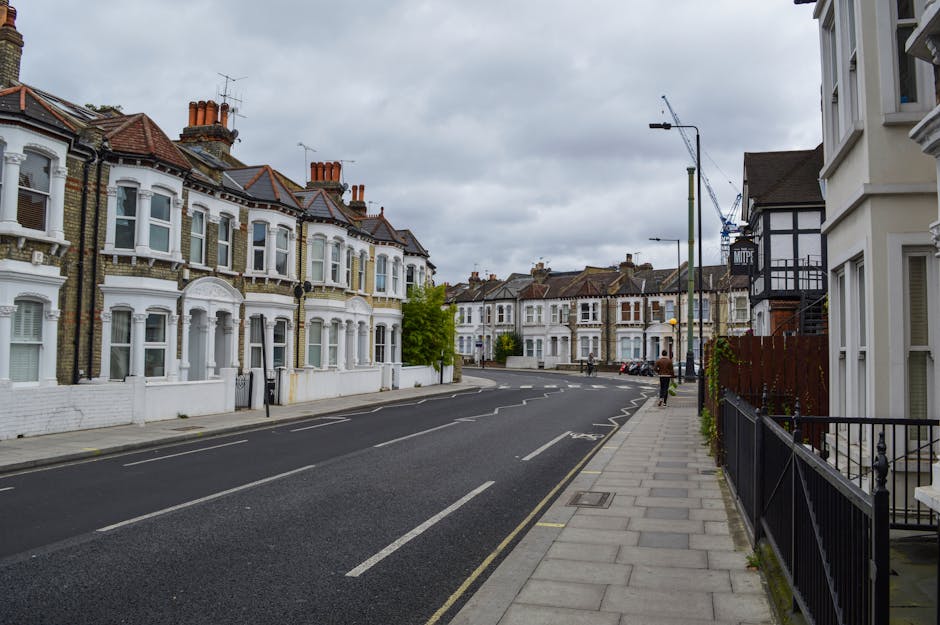
West Hampstead is a district in north-west London within the London Borough of Camden, positioned between Kilburn, Hampstead and Cricklewood. Its history is closely tied to nineteenth-century railway expansion, which changed the area from a more rural landscape into a well-connected suburban neighbourhood. The three stations known collectively as West Hampstead are a defining part of local identity: West Hampstead Thameslink on Iverson Road, West Hampstead tube station on the Jubilee line, and West Hampstead railway station on the London Overground. Together they make the area notable for movement, interchange and easy access across the city. The streets around West End Lane form the centre of local activity, with shops, cafés and small businesses giving the district a busy but neighbourhood-scale character. Housing ranges from Victorian and Edwardian terraces to mansion blocks and later apartment developments, reflecting successive phases of growth. Nearby green spaces include Fortune Green and the larger open landscapes reached towards Hampstead and Kilburn, while the wider borough adds libraries, cultural venues and historic streets. The area’s everyday appeal comes from its combination of transport, residential density and local services rather than from any single landmark. That balance has helped West Hampstead remain recognisable as a distinct place within Camden, with a clear local centre and a strong commuter connection to central London and beyond.
Planning the move from start to finish

A well-run removal is usually the result of a few practical choices made early. Decide what is moving, what needs packing, what can be dismantled and what should stay separate. If several people are involved, make sure they know which rooms or items are their responsibility. This helps avoid last-minute confusion and makes the move easier to direct on the day. A simple room-by-room order often works better than a vague overall plan.
As the move gets closer, keep the essentials accessible and make sure fragile or important items are clearly identified. Documents, keys, chargers and everyday necessities are best kept apart from the main load. If you have selected a service that includes more than transport, such as packing or furniture handling, confirm that those points are mentioned clearly in the enquiry. That allows the quotation to reflect the actual job rather than a rough guess. If you want to move ahead, ask for a quotation today.
For customers who are comparing services, it can also help to think about the level of assistance needed at both ends of the move. A straightforward transport booking may be enough in some cases, while a fuller household move may be more suitable where there are large items, multiple rooms or delicate belongings. Whatever the scale, the aim is the same: a careful, practical move that brings order to the day and leaves you with a clean finish. Contact us for a quotation.